Protein timing during weight loss: does spreading it out protect muscle?

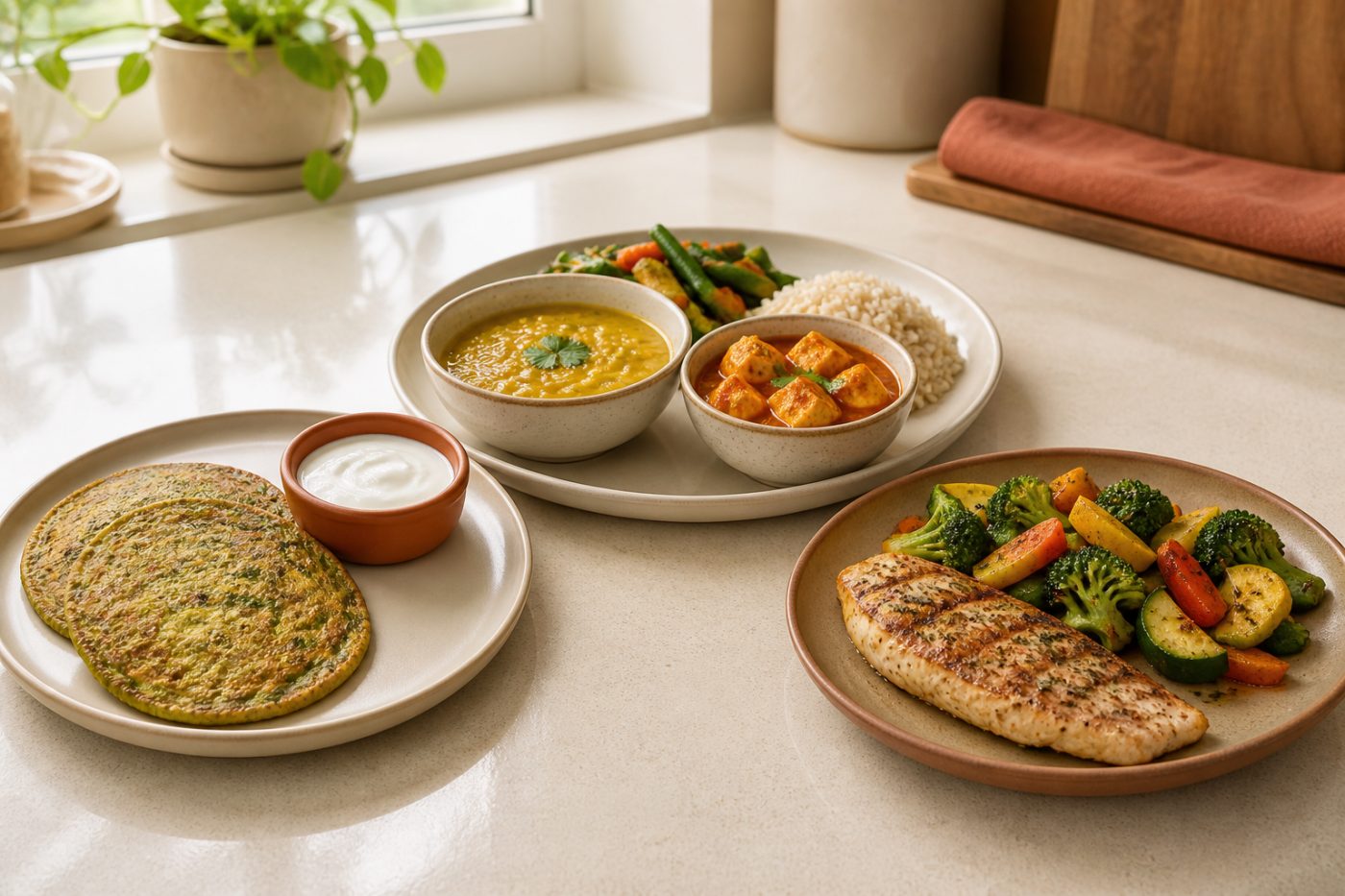
Spreading protein across meals may make a weight-loss plan easier to follow, but timing is only one part of protecting muscle. Here is what matters more than a perfect clock.
Book a consultation
Protein timing during weight loss sounds like a strict clock rule: take protein at one exact moment or lose muscle. The evidence is more reassuring. Your total protein intake, the quality of your diet and regular resistance exercise matter more than chasing a narrow “window”. Spreading protein across the day can still be a useful way to make those bigger priorities easier.
Weight loss can reduce both fat and lean tissue. A 2024 systematic review found that higher protein intake helped adults with overweight or obesity retain more muscle mass during weight-loss programmes, although effects on strength and physical function were less certain. This does not mean everyone needs the same amount, and it does not make very high intake automatically better.
Protein timing during weight loss: what matters first
Start with the day, not the stopwatch. If most of your protein arrives only at dinner, breakfast and lunch may contribute very little. Adding a meaningful source at each main meal can make intake more balanced and may be easier than forcing one huge serving at night.
Research on exact timing around exercise is mixed. A recent meta-analysis comparing protein before versus after training did not establish one universally superior side of the workout. For most patients, eating a suitable meal within their normal routine is more practical than worrying about minutes.
Protein distribution across Indian meals
A spread-out pattern does not require imported foods. Breakfast might include eggs, curd, paneer, tofu, milk or a dal-based dish such as moong chilla. Lunch can combine dal or chana with curd, paneer, fish or chicken. Dinner can use a similar protein source with vegetables and an appropriate portion of rice, roti or millet.
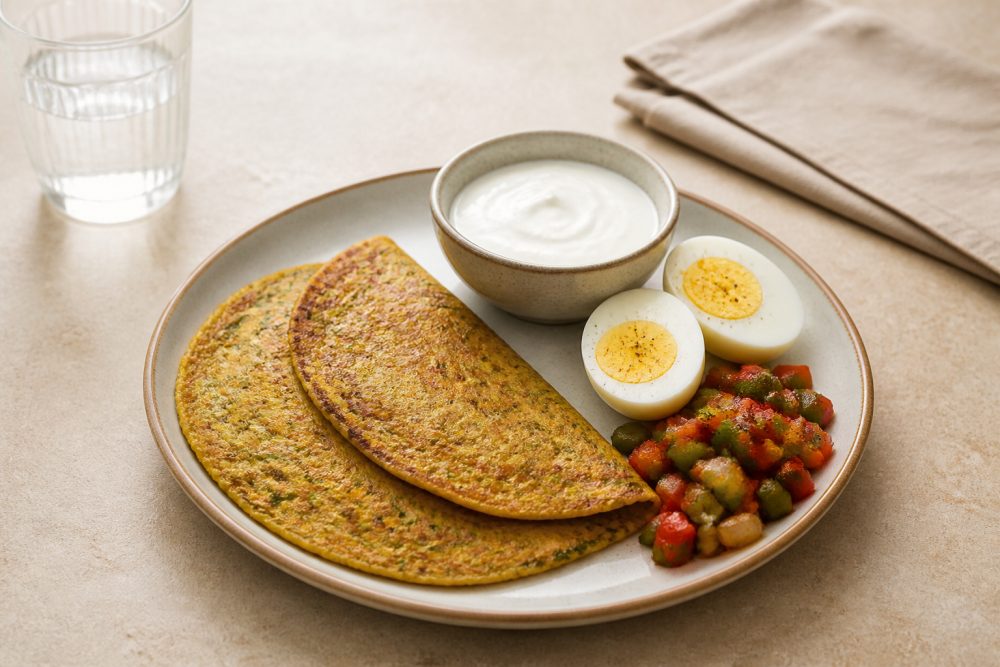
Choose the pattern you can repeat. A person who skips breakfast may prefer two main meals and a planned protein-rich snack. Someone taking an appetite-lowering medicine may tolerate smaller meals better. Culture, vegetarian preferences, digestion, budget and work shifts all matter.
Can protein timing protect muscle?
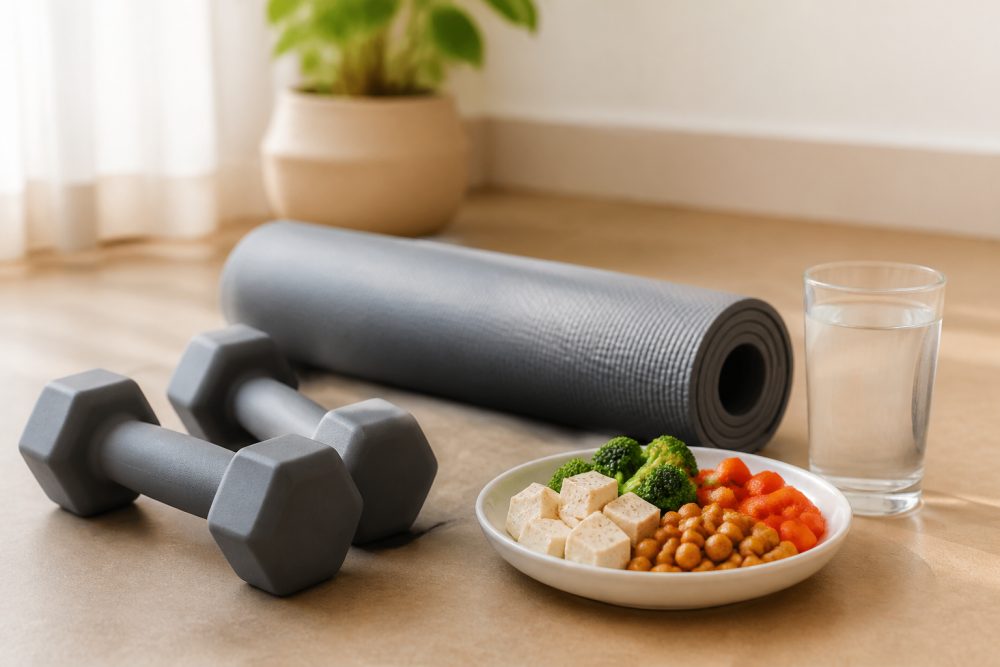
Protein provides building blocks, but muscle also needs a reason to stay. Progressive resistance training is central to preserving strength and lean tissue during weight loss. Walking is valuable for health, yet it does not fully replace exercises that challenge major muscle groups.
The newest reviews also stress that muscle preservation is not only a supplement question. Sleep, overall energy intake, micronutrient adequacy, treatment pace, age and health conditions influence the plan. If weight is falling quickly, appetite is very low or strength is dropping, the programme deserves review.
Protein timing with GLP-1 or tirzepatide care
Medicines that reduce appetite can make it harder to finish large meals. Planning smaller protein-containing meals earlier in the day may help some patients meet nutrition needs without a heavy dinner. This is a practical strategy, not proof that one schedule suits everyone.
Tell your clinician if you are eating very little, repeatedly missing meals, feeling weak or struggling with nausea, vomiting or constipation. Nutrition and dose progression may need review. Do not respond by forcing protein shakes that worsen fullness or replace a varied diet.
Do you need protein powder for weight loss?
Not necessarily. Food can provide protein along with vitamins, minerals and other nutrients. A supplement can be convenient when appetite, travel, vegetarian choices or meal access make food targets difficult, but the product and serving should fit the rest of the plan.
People with kidney disease, significant liver disease, pregnancy, a history of disordered eating or other medical concerns need individual guidance before changing protein intake. At a weight-loss clinic in Chennai, Anna Nagar or Mogappair, the useful questions are what your current meals provide, whether strength is being monitored and what you can sustain.
The Derm Edit can review your meals, treatment, exercise and body-composition priorities as one doctor-led plan. Consult Dr. Sarat Anandh, MD DVL, Medical Council registered dermatologist, for personalised weight-loss care. Message us on WhatsApp for details.
Questions we are asked
Is total protein or protein timing more important during weight loss?
Meeting an individual daily protein need and doing suitable resistance exercise are bigger priorities than an exact clock time. Spreading intake can make the daily target easier and avoid relying on one very large dinner.
Should I spread protein across three meals?
Three balanced meals suit many people, but they are not compulsory. Your appetite, work pattern, medicines and digestion may make two meals plus a planned snack more practical.
What are practical high-protein Indian breakfast options?
Eggs, plain curd, milk, paneer, tofu and dal-based dishes such as moong chilla can add protein. The rest of the meal and the portion should still match your overall weight-loss plan.
Do I need protein powder to protect muscle while losing weight?
Not always. Food is often enough, while a supplement may help selected patients who cannot meet needs through meals; choose it with professional guidance if you have medical conditions or poor appetite.
How do I choose the best weight loss clinic in Chennai?
Look for doctor-led assessment, a realistic nutrition and resistance-training plan, monitoring of strength or body composition, and follow-up for side effects. A clinic in Chennai, Anna Nagar or Mogappair should adapt the plan rather than hand everyone the same protein target.
Sources & further reading
- Santos HO et al. Effectiveness of Whey Protein Supplementation in Weight Loss Interventions for Patients with Obesity: A Systematic Review. Nutrients, 2026. https://pubmed.ncbi.nlm.nih.gov/41754212/
- Zhou H-H et al. Does Protein Ingestion Timing Affect Exercise-Induced Adaptations? A Systematic Review with Meta-Analysis. 2025. https://pubmed.ncbi.nlm.nih.gov/40647175/
- Mesinovic J et al. Exercise and dietary recommendations to preserve musculoskeletal health during weight loss in adults with obesity: A practical guide. 2025. https://pubmed.ncbi.nlm.nih.gov/40434574/
- Mozaffarian D et al. Nutritional priorities to support GLP-1 therapy for obesity: A joint Advisory. 2025. https://pubmed.ncbi.nlm.nih.gov/40445127/
- Kokura Y et al. Enhanced protein intake on maintaining muscle mass, strength, and physical function in adults with overweight/obesity: A systematic review and meta-analysis. 2024. https://pubmed.ncbi.nlm.nih.gov/39002131/