Filler migration: how common is it and what can be done?


A new ridge or fullness after filler is not always migration. Here is how doctors separate swelling, placement, nodules and true movement—and what may help.
Book a consultation
Filler migration means injected material is found away from the area where it was originally placed. It is a real complication, but a new ridge, puffiness or uneven contour is not automatically migration. Swelling, product placed too superficially, too much volume, a nodule, inflammation or infection can look similar.
For someone searching for filler migration treatment in Chennai, the useful first step is not guessing from a photograph. It is a careful history and examination by a Medical Council registered dermatologist who can identify what was injected, when the change appeared and whether the area is painful, warm or changing colour.
How common is filler migration?
A reliable percentage is not available. Published evidence is largely made up of case reports, small series and retrospective imaging studies, while definitions differ between authors. The US Food and Drug Administration lists migration as a rare reported risk of dermal fillers, but this does not tell us the chance for one patient, product or injection site.
Researchers also distinguish true migration from redistribution within connected tissue planes. A 2024 ultrasound study of previously treated cheek regions found that filler could redistribute along anatomical pathways toward the temple. That finding helps explain why location and tissue planes matter, but it should not be converted into a population-wide risk estimate.
What can look like lip filler migration?
Early swelling can temporarily blur the lip border. Later concerns may instead reflect superficial placement, excess volume, product spread, delayed inflammatory swelling or a small nodule. A bluish tone can occur when hyaluronic acid sits too close to the surface. These possibilities need different decisions.
Timing matters. Note whether the change started immediately, over days, or months later. Bring the product name, treatment date, injected area and earlier photographs if you have them. Do not repeatedly press, massage or try to dissolve the area yourself, because this can delay a proper diagnosis or irritate already inflamed tissue.
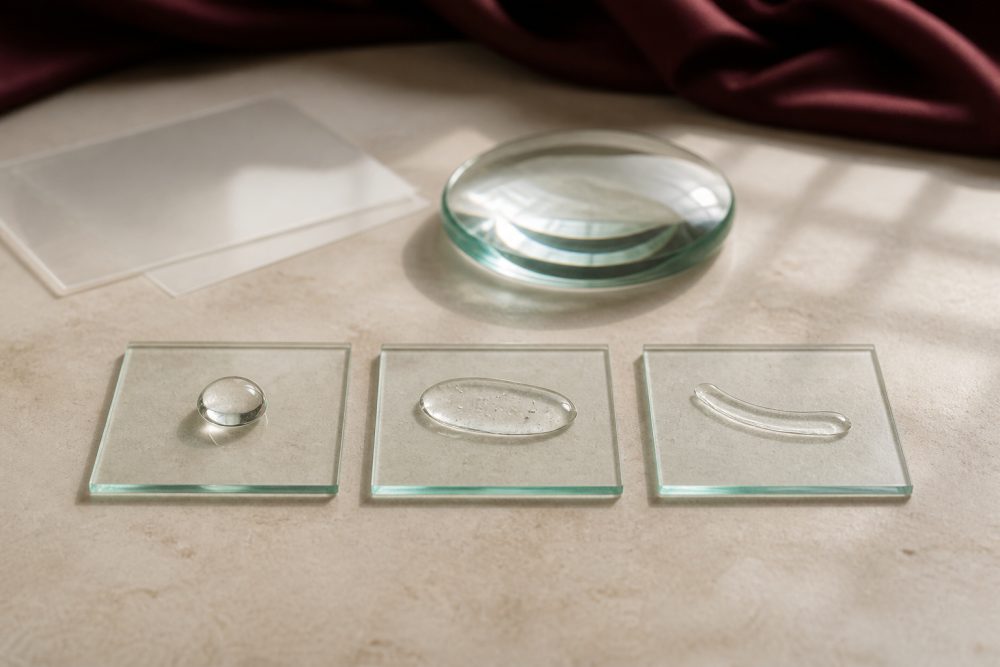
How doctors assess filler migration
The consultation begins with history and examination. The doctor may look for tenderness, heat, fluctuance, skin colour change and whether the finding follows an anatomical compartment. Ultrasound can sometimes locate previously injected material, distinguish a collection from a solid nodule and guide treatment more precisely. It is helpful in selected cases, not a compulsory test for everyone.
Severe or increasing pain, blanching, a mottled or dusky colour, cool skin, or any visual symptom needs urgent medical assessment. These signs can indicate vascular compromise, which is different from migration and should not wait for a routine appointment.

Can filler migration be dissolved?
Sometimes. If the material is a hyaluronic acid filler and the finding is non-infectious, a doctor may consider hyaluronidase, an enzyme that breaks down hyaluronic acid. The amount, placement and number of sessions are individual decisions. Hyaluronidase is not a universal remover, and an inflammatory or infectious problem may need a different sequence of care.
Fillers made from other materials may not respond to hyaluronidase. Observation, medicines, image-guided procedures or surgical referral may be considered depending on the material and complication. This is why knowing the original product is useful. Results cannot be promised, and removing filler can also alter the volume that was intentionally created.
Reducing filler migration risk in Chennai
Choose a qualified injector who understands facial anatomy, uses traceable products, documents the treatment and plans conservative volume. The goal should be proportion and safety, not chasing an edited reference photo. Attend follow-up if the contour changes, rather than adding more product over an unexplained fullness.
If you are comparing an aesthetic clinic in Chennai, Anna Nagar or Mogappair, ask who will examine you, what product is planned, how complications are handled and whether imaging is available when it could change management. The Derm Edit offers doctor-led assessment for new concerns and previous filler work. Message us on WhatsApp for details.
Questions we are asked
How can I tell filler migration from normal swelling?
Swelling is commonest soon after treatment and usually changes as the area settles, while a persistent ridge or fullness away from the intended contour deserves assessment. A photograph alone may not distinguish swelling, superficial product, a nodule and true migration.
Can lip filler migrate months or years later?
Delayed changes have been reported, but they are not always true migration. Product type, tissue planes, inflammation, repeat treatments and the timing of symptoms all need to be reviewed.
Does hyaluronidase remove every kind of filler?
No. Hyaluronidase acts on hyaluronic acid filler; it does not remove every filler material, and infection or active inflammation can change the treatment plan.
Is ultrasound always needed for suspected filler migration?
No. History and examination may be enough in a straightforward case, while ultrasound is useful when the material or location is uncertain or image guidance could improve precision.
How do I choose the best filler clinic in Chennai?
Rather than accepting a superlative claim, check that a Medical Council registered dermatologist assesses you, uses traceable products and explains complication care. Ask how the clinic documents treatment and handles urgent symptoms.
Sources & further reading
- US Food and Drug Administration — Dermal Fillers (Soft Tissue Fillers), accessed 2026 https://www.fda.gov/medical-devices/aesthetic-cosmetic-devices/dermal-fillers-soft-tissue-fillers
- Schelke LW, Lowe P, Cotofana S et al. — Post-Treatment Displacement of Facial Soft Tissue Fillers: A Retrospective Ultrasound-Based Investigation of 382 Zygomatic Regions, 2024 https://pubmed.ncbi.nlm.nih.gov/39292155/
- Baranska-Rybak W et al. — Late-Onset Reactions after Hyaluronic Acid Dermal Fillers: A Consensus Recommendation on Etiology, Prevention and Management, 2024 https://pubmed.ncbi.nlm.nih.gov/38907876/
- Wollina U, Goldman A — Filler Migration after Facial Injection: A Narrative Review, 2023 https://doi.org/10.3390/cosmetics10040115
- Kroumpouzos G et al. — Review of the Adverse Effects Associated with Dermal Filler Treatments: Part I—Nodules, Granuloma, and Migration, 2024 https://pmc.ncbi.nlm.nih.gov/articles/PMC11311355/