StarWalker MaQX for melasma: what can laser realistically add?
Laser may support selected melasma plans, but it cannot switch off the condition's triggers. Here is where StarWalker MaQX may fit—and why maintenance still matters.
Book a consultation
If you are considering StarWalker MaQX for melasma, the most useful question is not “Can a laser remove every patch?” It is “What part can laser safely play in a long-term plan?” Melasma is a relapsing pigment condition influenced by sunlight, visible light, hormones, genetics and inflammation. A procedure may reduce visible pigment in a carefully selected patient, but it cannot remove those drivers.
This distinction matters in sunny Chennai. A Medical Council registered dermatologist should first confirm that the patches are melasma rather than post-inflammatory pigmentation, a contact reaction or another condition. Examination, photographs and sometimes a Wood's lamp or dermoscopy help plan care.
Why melasma behaves differently
Melasma is not simply extra pigment sitting at one depth. Epidermal and dermal pigment can coexist, and vascular or inflammatory signals may also contribute. That is why one person's patches may respond differently from another person's, even when they look similar in a mirror.
The 2026 Indian expert consensus emphasises prevention, relapse minimisation and an individualised combination plan. Daily photoprotection and appropriate topical treatment usually come before procedures. Lasers are generally reserved for selected, resistant cases rather than used as a stand-alone first step.
What StarWalker MaQX for melasma may add
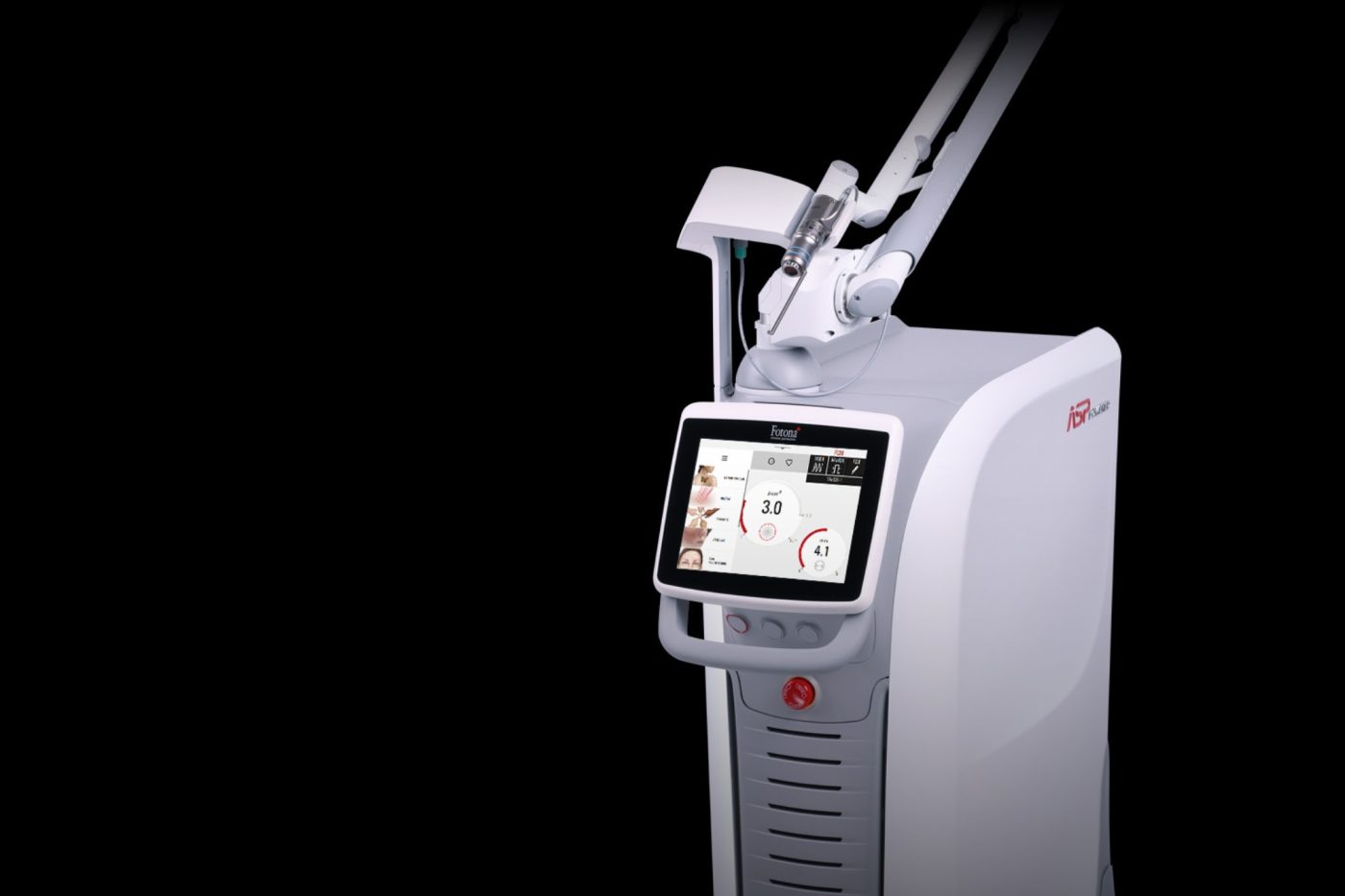
StarWalker MaQX is Fotona's Q-switched laser platform. The manufacturer lists 1064 nm and 532 nm Q-switched Nd:YAG/KTP capabilities among its modes. For melasma, the device name alone does not determine the plan: wavelength, fluence, spot size, pulse structure, interval and total number of exposures all matter.
Low-fluence 1064 nm Q-switched Nd:YAG treatment—often called laser toning—has evidence of improvement in some patients. A 2026 systematic review found that this approach can be a useful adjunct, but results varied and recurrence remained a concern. The review supported combining laser with photoprotection and topical care rather than relying on laser alone.
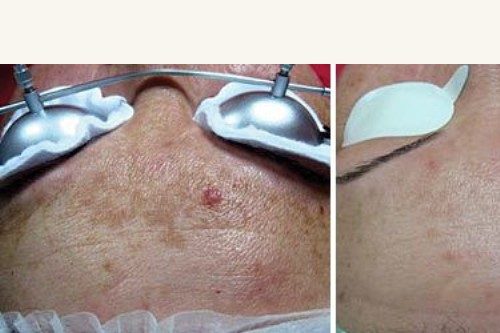
The realistic role may be to address pigment that has not improved enough with a well-followed medical plan, or to add a carefully controlled procedural option when other choices are unsuitable. It does not mean that every available wavelength or mode should be used for every patient.
Where laser fits in a melasma plan
A dermatologist may first stabilise triggers, review skincare and build a maintenance routine. If laser is considered, baseline photographs and a cautious starting plan make response easier to judge. Test treatment may be sensible for some Indian skin tones or when there is a history of post-inflammatory hyperpigmentation.
Published reviews suggest combination care is more dependable than repeated laser toning alone. The surrounding plan may include prescription or non-prescription topicals, but these need medical review: strong lightening creams and oral medicines are not suitable for everyone. Hormonal history, pregnancy plans, current medicines, irritation and clotting risk can change what is appropriate.
A search for a melasma laser in Chennai, a melasma dermatologist in Anna Nagar or a melasma clinic in Mogappair should therefore lead to a diagnosis-led consultation, not a fixed package. The aim is a measured plan with clear stop points and maintenance.
Risks and why settings matter in Indian skin
Q-switched treatment can cause temporary redness or darkening. More importantly, overly aggressive or accumulated sessions can provoke post-inflammatory hyperpigmentation or mottled hypopigmentation. A 2023 meta-analysis found that the effect of low-fluence laser toning tended to diminish with time and that hypopigmentation risk was associated with more sessions.
These risks do not mean laser is automatically unsuitable. They mean treatment should be conservative, reviewed between visits and stopped or changed if the skin is becoming irritated or developing uneven light spots. The machine's technical range does not replace clinical judgement.
Melasma maintenance after laser
Maintenance begins before the first session. Broad-spectrum sunscreen, shade, hats and sensible reapplication matter; visible-light protection may also be relevant for skin of colour. A 2025 study supports a role for iron-oxide-containing formulations in melasma photoprotection, although a dermatologist can help match a tinted product to your skin and routine.

Heat and friction can worsen some people's pigmentation, so aftercare should be practical for Chennai commuting and workdays. Use the gentle routine advised, avoid experimenting with scrubs or peels around treatment, and report persistent darkening or pale speckles promptly. Consistent photographs under similar lighting are more useful than checking the mirror many times a day.
If you are comparing “best melasma laser clinic in Chennai” claims, look instead for a clinic that explains diagnosis, alternatives, risks, maintenance and when not to laser. The Derm Edit offers doctor-led pigment assessment in Anna Nagar and Mogappair, with laser considered only when it fits the individual plan. Message us on WhatsApp for details.
Questions we are asked
Is StarWalker MaQX suitable for every melasma patient?
No. Diagnosis, pigment depth, skin tone, previous reactions, current treatment and whether the melasma is stable all affect suitability. Some patients are better served by photoprotection and medical care without laser.
How many laser sessions will I need?
There is no responsible fixed number for everyone. Your dermatologist should review response and side effects between sessions, and stop or change the plan if the risk starts to outweigh the likely benefit.
Can melasma return after laser?
Yes. Sunlight, visible light, hormones and other triggers can continue after pigment looks lighter. Long-term maintenance and realistic expectations are essential.
Is laser toning safe for Indian skin?
It can be used cautiously in selected patients, but darker skin can develop post-inflammatory hyperpigmentation or mottled hypopigmentation. Conservative settings, appropriate intervals and medical review are important.
How do I choose the best melasma laser clinic in Chennai?
Do not rely on the word “best” or on a machine name alone. Look for a Medical Council registered dermatologist who confirms the diagnosis, discusses non-laser options, explains risks and provides a maintenance plan.
Sources & further reading
- Sarkar R et al. Expert Consensus on the Management of Hyperpigmentation Disorders in India: A Modified Delphi Study by the Pigmentary Disorders Society. 2026. https://pubmed.ncbi.nlm.nih.gov/42283350/
- Cureus. Efficacy and Safety of Laser-Based Therapies for Melasma: A Systematic Review and Meta-Analysis. 2026. https://pubmed.ncbi.nlm.nih.gov/42064496/
- Cervantes J et al. Efficacy and Safety of Low Fluence Nd:YAG Laser Treatment in Melasma: A Meta-Analysis and Systematic Review. 2023. https://pubmed.ncbi.nlm.nih.gov/36533794/
- Grimes PE et al. Photoprotection Efficacy of Sun Protection Factor and Iron Oxide Formulations in Diverse Skin With Melasma and Photodamage. 2025. https://pubmed.ncbi.nlm.nih.gov/40627587/
- Fotona. StarWalker MaQX: Ultra Performance Q-Switched Laser System. https://www.fotona.com/en/products/2717/starwalker-r-maqx/