Laser tattoo removal in Chennai: is it safe for Indian skin?
Indian skin can be treated, but wavelength, ink colour, test spots and aftercare matter. Here is what a careful tattoo-removal plan should consider.
Book a consultation
Laser tattoo removal in Chennai needs more than choosing the newest-looking machine. A laser must target tattoo pigment while limiting injury to the melanin in the surrounding skin. That balance is especially important in Indian skin, where post-inflammatory darkening or lightening can follow an overly aggressive setting.
Modern nanosecond and picosecond systems deliver very short pulses that fragment ink so the body can gradually clear it. They do not simply erase a tattoo in one visit. Ink colour, depth, density, layering, location, skin tone and previous treatment all change the response.
Why Indian skin needs a considered laser choice
Melanin competes with tattoo pigment for laser energy. Longer wavelengths such as 1064 nm Nd:YAG are often useful for black and dark-blue ink in darker skin because they interact less with surface melanin than shorter wavelengths. Other colours may need different wavelengths, and some pigments respond poorly.
A real consultation should document the colours, check for scarring or allergy and ask about tanning, medicines and previous laser sessions. A small test area may be appropriate before treating a large or multicoloured tattoo. The safest wavelength is not chosen from skin tone alone; the ink and device matter too.
Picosecond versus Q-switched tattoo removal
Picosecond systems use shorter pulse durations than traditional Q-switched nanosecond systems. Research suggests that they can clear some inks efficiently, but the evidence does not support a promise that every tattoo will need fewer sessions. Black and blue inks are generally better studied than bright mixed colours.
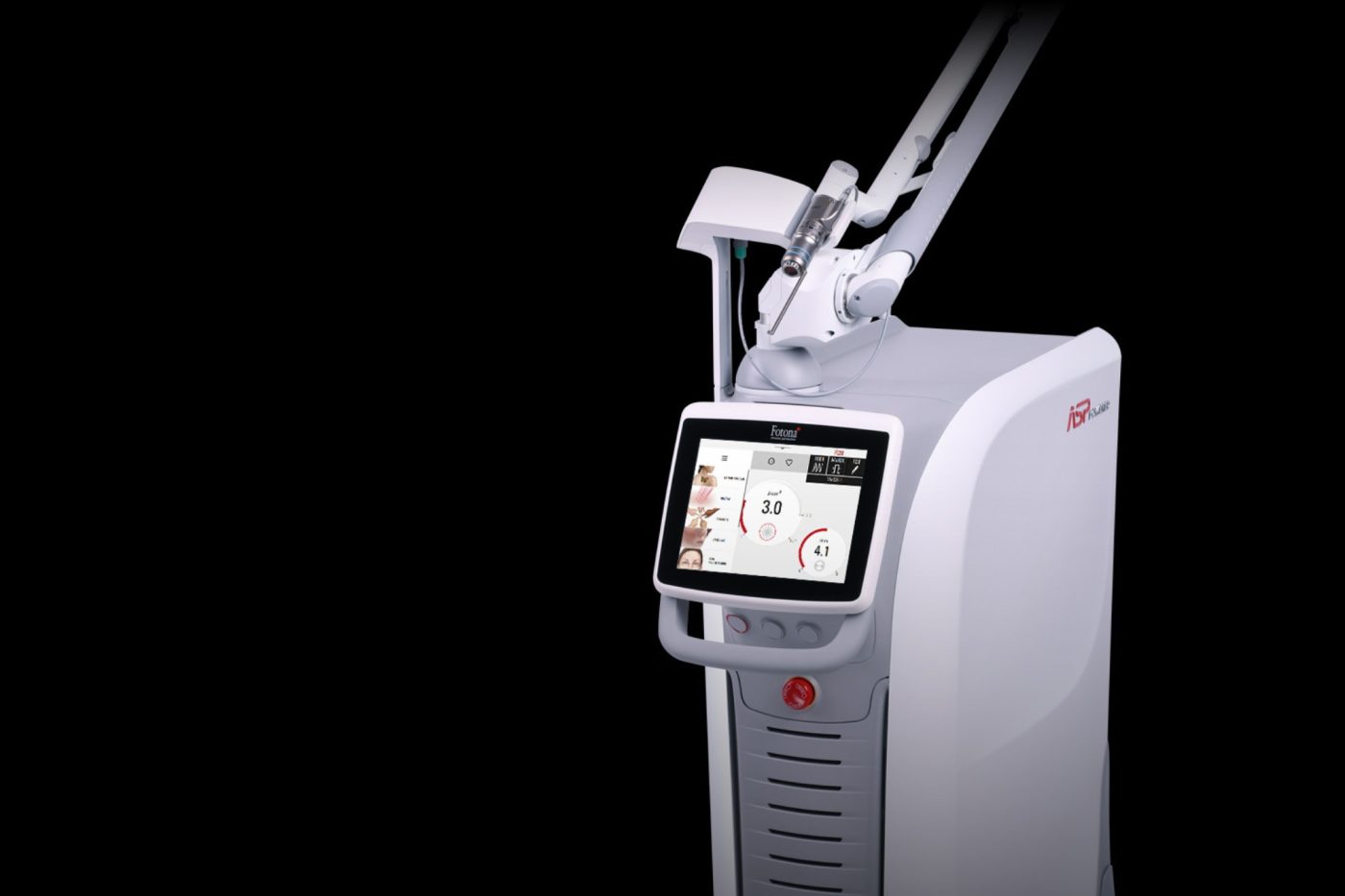
The StarWalker MaQX is a Fotona platform that combines multiple wavelengths and pulse structures for pigment and tattoo work. The name of a platform is only one part of safe care. The clinician must still select the wavelength, spot size, fluence, repetition rate and endpoint for the actual tattoo and skin.
What happens during a session
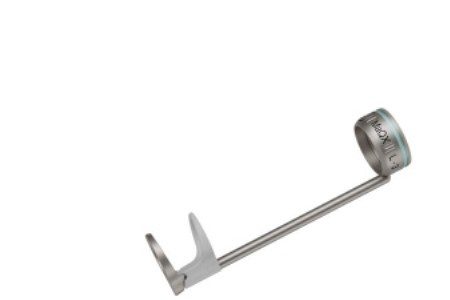
Both patient and staff need opaque wavelength-appropriate eye protection. The handpiece is held at the correct working distance, and the laser is passed over the selected area. Temporary whitening, redness or swelling can occur. Visible laser beams, smoke-filled rooms and uncovered eyes are not signs of a proper procedure.
Treatments are spaced to allow inflammation to settle and pigment fragments to clear. Repeated passes or very short gaps can raise the risk of blistering, texture change and pigment alteration. Do not pick crusts or use unprescribed bleaching agents on healing skin.
Aftercare and warning signs
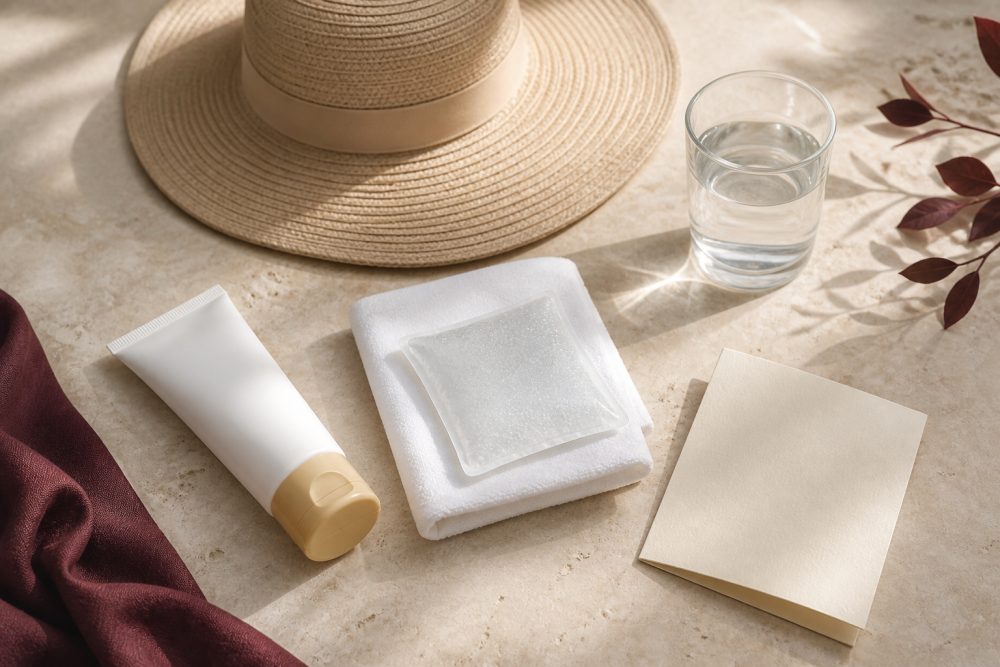
Follow the clinic's wound-care instructions, keep the site clean and protect it from sun. Tell the doctor if you develop increasing pain, spreading redness, pus, fever, a strong allergic reaction, or a wound that is not healing. Existing raised scars need a separate discussion because removing ink does not automatically flatten scar tissue.
Some cosmetic inks containing iron or titanium compounds may darken after laser exposure. This is another reason to discuss test spots and realistic endpoints before the first session.
Choosing tattoo removal in Anna Nagar or Mogappair
When comparing a laser clinic in Chennai, ask who performs the treatment, which wavelengths are available, how your skin type is assessed and what happens if pigmentation changes occur. Do not rely only on before-and-after photographs taken under different lighting.
At The Derm Edit in Anna Nagar West Extension and Mogappair, treatment planning is doctor led. Dr. Sarat Anandh, MD DVL, is a Medical Council registered dermatologist. Bring details of the tattoo age, colours and any prior sessions. Message us on WhatsApp for details.
Questions we are asked
Is laser tattoo removal safe for brown or Indian skin?
It can be performed, but darker skin has a higher risk of pigment change if wavelength or energy is unsuitable. A dermatologist should assess skin tone, ink and previous scarring before treatment.
How many sessions will my tattoo need?
There is no fixed number. Professional layering, colour, density, location and your body's clearance response all influence the course.
Is picosecond always better than Q-switched laser?
Picosecond technology can be useful for certain inks, but published evidence is stronger for some colours than others. Correct wavelength and technique matter more than a marketing label alone.
Can coloured tattoos be removed?
Some colours respond to specific wavelengths, while white, flesh-toned and certain cosmetic inks may be difficult or may darken. A test spot may be advised.
How do I choose a laser tattoo removal clinic in Chennai?
Ask for a dermatologist-led assessment, a device with suitable wavelengths, proper eye protection, test-spot planning when needed and clear aftercare. Avoid promises of a fixed number of visits.
Sources & further reading
- Deora MS et al. — Advancements in laser therapies for dermal hyperpigmentation in skin of colour and an Indian cohort, 2024, https://pubmed.ncbi.nlm.nih.gov/38610881/
- Ismail MA et al. — Picosecond Nd:YAG removal of black tattoos in skin type IV, 2024, https://pubmed.ncbi.nlm.nih.gov/39136867/
- Reiter O et al. — Picosecond lasers for tattoo removal: systematic review, 2016, https://pubmed.ncbi.nlm.nih.gov/27311768/
- Fotona — StarWalker MaQX official product page, accessed 2026, https://www.fotona.com/en/products/2717/starwalker-r-maqx/