Poor sleep and weight gain: can sleep debt increase hunger?

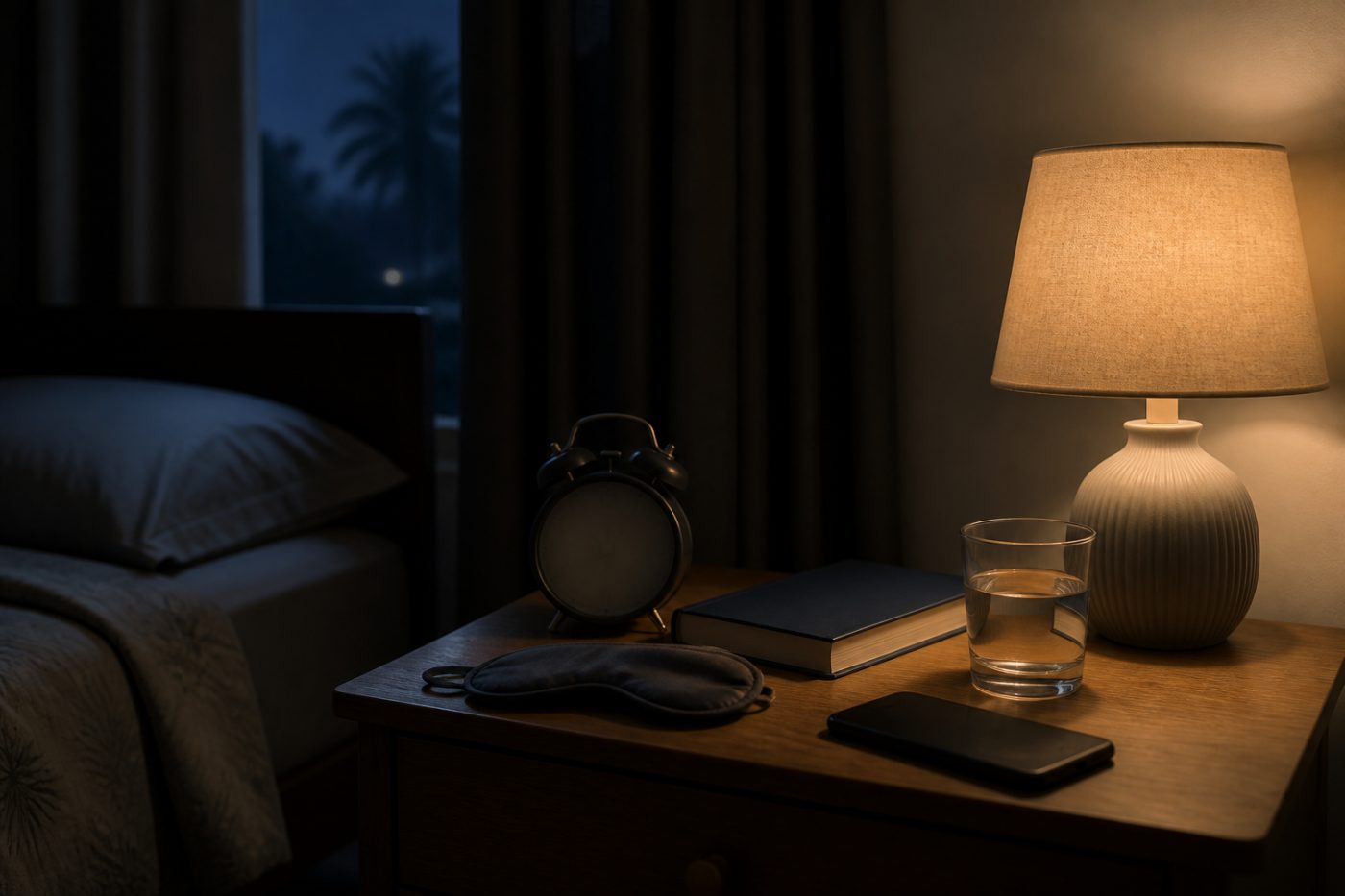
Short sleep does not create weight gain by one hormone alone. It can change eating opportunities, cravings, recovery and the choices you make the next day.
Book a consultation
Poor sleep and weight gain are linked, but not through a single simple switch. Laboratory trials suggest that sleep restriction can increase energy intake, appetite or food reward in some people. Hormone findings are less consistent than popular posts imply. The practical effect may come from more waking hours, easier access to snacks and lower energy for planned meals and activity.
One short night will not undo a weight-loss plan. Repeated sleep debt, however, can make the plan harder to follow. It may also worsen glucose control, mood and exercise recovery.
How sleep debt can influence hunger
When you stay awake late, there is simply more time to eat. Tired brains may respond more strongly to rewarding foods, and the next day can feel like a search for quick energy. A 2021 systematic review of clinical trials found that sleep restriction often increased energy intake, fat intake, hunger and eating occasions, although not every study agreed.
A newer synthesis of randomised trials cautions that appetite sensations and actual intake do not always move together. This matters: the evidence supports a relationship, but not the claim that one hormone always causes late-night hunger.
Sleep, GLP-1 medicines and side effects
Nausea, reflux or constipation can disturb sleep. At the same time, late large meals may worsen reflux. If you are using semaglutide or tirzepatide, discuss persistent symptoms rather than skipping food all day and eating at night. Dose escalation is not the answer to every stalled week.
Loud snoring, witnessed breathing pauses, morning headache and severe daytime sleepiness suggest possible sleep apnoea, which is common in people with obesity. Weight loss can help some patients, but the sleep disorder still needs assessment and treatment.
A realistic sleep routine for weight loss
Fix the waking time first, including most weekends. Get morning daylight, move during the day and stop caffeine early enough that it does not delay sleep. Keep dinner comfortable rather than enormous, and create a short wind-down period without work in bed.
Track sleep for two weeks: bedtime, waking time, awakenings, caffeine, alcohol, naps and late eating. This record is more useful than guessing from one rough night. Wearable sleep stages are estimates and should not create anxiety.
When supplements are not the answer
Melatonin may help circadian timing in selected situations, while evidence for magnesium in general insomnia is limited. Neither treats sleep apnoea, restless legs, depression, pain or a medicine side effect. Cognitive behavioural therapy for insomnia has a stronger role in chronic insomnia than collecting supplements.
Seek medical review when insomnia lasts at least three months, causes daytime impairment or comes with snoring, breathing pauses, panic, low mood or leg discomfort. Drowsy driving needs immediate attention.
Sleep support during weight loss in Chennai
When choosing a weight-loss clinic in Chennai, ask whether sleep and side effects are reviewed alongside food and medication. Chennai heat, commuting and shift work can shape a routine, so advice should fit real life in Anna Nagar or Mogappair.

At The Derm Edit, doctor-led weight management includes a review of habits, medicines and warning signs. Dr. Sarat Anandh, MD DVL, is a Medical Council registered dermatologist. Bring a two-week sleep record to make the discussion specific. Message us on WhatsApp for details.

Questions we are asked
Can one bad night make me gain fat?
One night can change appetite and water balance, but meaningful fat gain comes from a longer energy pattern. Return to your routine rather than compensating with extreme restriction.
Does poor sleep increase ghrelin?
Some studies report hormone changes, but findings are inconsistent. More waking time, food reward and tired decision-making may be just as important.
How much sleep should adults aim for?
Most adults need at least seven hours, but individual need and sleep quality vary. Regular timing and daytime function help show whether the amount is adequate.
Can GLP-1 medicines disturb sleep?
The medicine is not a usual sedative, but nausea, reflux, constipation or late eating can disrupt sleep. Persistent symptoms should be reviewed by the prescribing doctor.
When should snoring be checked?
Seek review for loud snoring with breathing pauses, choking, morning headaches or severe daytime sleepiness. These features can suggest sleep apnoea.
Sources & further reading
- Al Khatib HK et al. — Effect of sleep duration on dietary intake and appetite: systematic review of clinical trials, 2021, https://pubmed.ncbi.nlm.nih.gov/34620371/
- St-Onge MP et al. — Sleep duration and quality: impact on lifestyle behaviours and cardiometabolic health, American Heart Association scientific statement, 2016, https://pubmed.ncbi.nlm.nih.gov/27647451/
- Chaput JP et al. — Sleep curtailment, appetite and dietary intake: narrative synthesis of randomised trials, 2026, https://pubmed.ncbi.nlm.nih.gov/42200369/
- American Academy of Sleep Medicine and Sleep Research Society — Recommended sleep duration for adults, 2015, https://pubmed.ncbi.nlm.nih.gov/26039963/