Skin tags and insulin resistance: is there a link?


Skin tags are common and harmless, but having several may travel with metabolic risk in some people. They cannot diagnose insulin resistance on their own.
Book a consultation
Skin tags and insulin resistance are linked in several observational studies, including research from India. That does not mean every skin tag signals diabetes, or that a dermatologist can diagnose a metabolic condition by looking at your skin. The useful question is whether several tags, together with your wider risk profile, should prompt a simple medical review.
What skin tags are
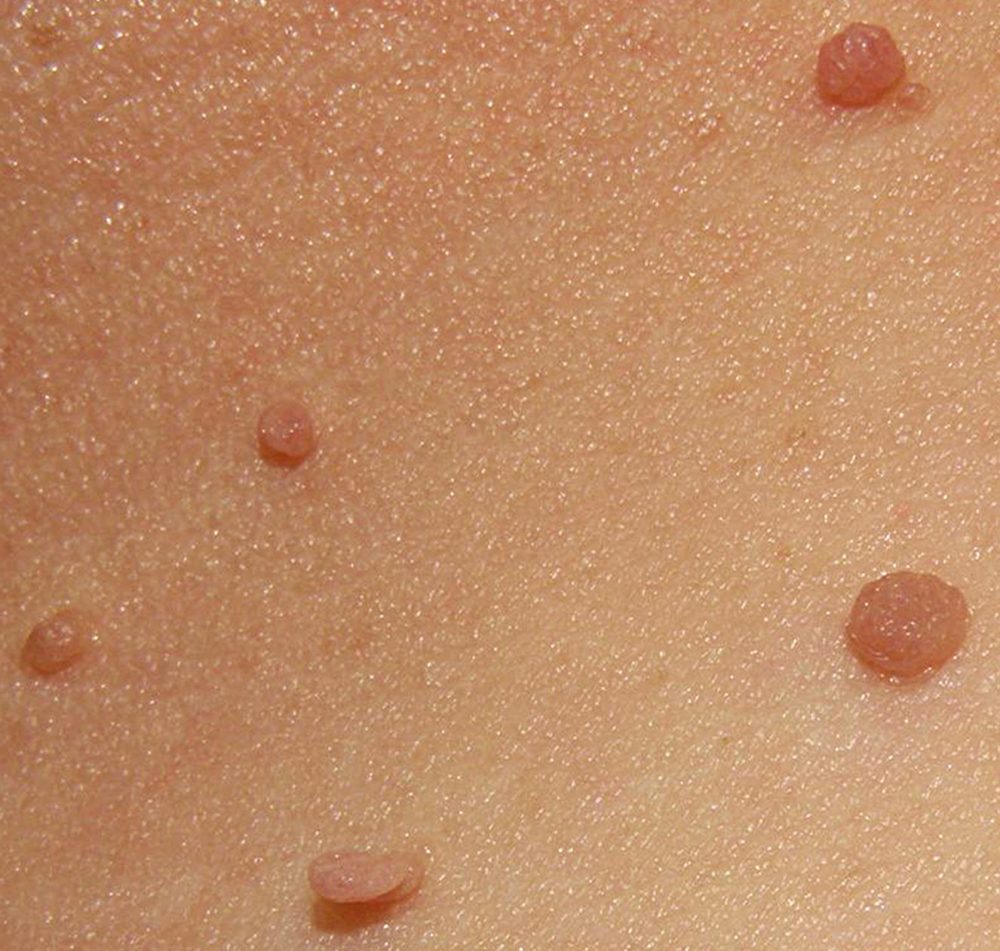
Skin tags, also called acrochordons, are soft, benign growths that often sit on a small stalk. They commonly appear on the neck, underarms, eyelids, groin and other folds where skin or clothing rubs. Age, family tendency, pregnancy, higher body weight and friction can all play a part.
A dermatologist should confirm the diagnosis because warts, seborrhoeic keratoses, molluscum and other growths can sometimes look similar. A lesion that changes quickly, bleeds without friction, becomes painful or looks unlike the others needs assessment rather than home treatment.
What studies say about skin tags and insulin resistance
Hospital-based studies have found that people with multiple skin tags more often have insulin resistance, type 2 diabetes or features of metabolic syndrome than comparison groups. Indian studies from the north, east and south have reported this association across different patient samples.
Insulin resistance means the body's tissues do not respond to insulin as efficiently as expected, so the pancreas may need to release more insulin to manage blood glucose. It can travel with abdominal weight gain, raised blood pressure, altered cholesterol and, over time, prediabetes or type 2 diabetes.
Why the link is not a diagnosis
Most of the skin-tag evidence comes from cross-sectional or case-control studies. These can show that two findings occur together, but they cannot prove that insulin resistance directly caused an individual person's tags. Age, body weight, friction and family tendency can overlap with metabolic risk and may partly explain the pattern.
The number, colour or position of tags is not a reliable stand-alone calculator. A person can have several tags and normal glucose results, while someone with diabetes may have none. Removing a tag also does not change blood glucose or insulin sensitivity.
When glucose testing may be worth discussing
A review becomes more useful when many tags appear, especially alongside dark velvety thickening on the neck or underarms, increasing waist size, high blood pressure, polycystic ovary syndrome, a strong family history of diabetes, previous gestational diabetes or symptoms such as unusual thirst and frequent urination.
Your doctor may consider HbA1c, fasting plasma glucose or, in selected situations, an oral glucose tolerance test. Current diabetes guidance uses blood tests and clinical context for screening and diagnosis; a skin examination cannot replace them. An unexpected abnormal result usually needs interpretation and sometimes confirmation, rather than a conclusion from one number.
For someone looking for a skin tag dermatologist in Chennai, the appointment can therefore do two jobs: confirm that the growths are harmless acrochordons and decide whether medical risk factors justify testing. Patients from Anna Nagar and Mogappair should bring recent glucose, lipid or blood-pressure reports if they already have them.
Skin tag removal and metabolic health are separate plans
Skin tags do not need removal simply because they exist. Treatment may be considered when they catch on jewellery or clothing, become repeatedly irritated, affect vision near an eyelid, or bother you cosmetically. A dermatologist may use snip removal, electrosurgery or another suitable method after checking the site and size.
Do not cut, burn or apply corrosive liquids at home. Bleeding, infection, scarring and treating the wrong diagnosis are avoidable risks. If metabolic risk is present, balanced meals, regular movement, sleep, weight management and medical follow-up may support overall health, but these steps do not guarantee that existing tags will disappear.

The Derm Edit offers doctor-led assessment of skin growths and metabolic risk in Anna Nagar West Extension and Mogappair, Chennai. Dr. Sarat Anandh, MD DVL, is a Medical Council registered dermatologist and will advise only after examining the lesions and your history. Message us on WhatsApp for details.
Questions we are asked
Do skin tags mean I have diabetes?
No. Skin tags are common benign growths and can occur in people with normal glucose results. Several tags may justify a risk review, but diabetes is diagnosed with appropriate blood tests and clinical context.
Should I get tested if I have several skin tags?
Discuss testing if you have many tags or other risk factors such as increasing waist size, family history, high blood pressure, PCOS or dark velvety skin folds. A doctor can decide whether HbA1c, fasting glucose or another test is appropriate.
Will improving insulin resistance make existing skin tags disappear?
Metabolic-health changes may support your overall health, but existing tags do not reliably disappear when glucose or weight changes. Removing a tag and managing metabolic risk are separate decisions.
Is it safe to remove a skin tag at home?
Cutting, burning or using corrosive liquids at home can cause bleeding, infection or scarring, and the growth may not actually be a skin tag. Let a dermatologist confirm the diagnosis and choose a suitable method.
How do I choose the best skin tag clinic in Chennai?
Look for a Medical Council registered dermatologist who examines each lesion, explains alternatives and checks whether your wider risk profile warrants testing. For patients in Anna Nagar or Mogappair, accessible follow-up is also useful if healing or diagnosis needs review.
Sources & further reading
- American Diabetes Association Professional Practice Committee — Diagnosis and Classification of Diabetes: Standards of Care in Diabetes—2026 — https://doi.org/10.2337/dc26-S002
- Chandran et al. — A Clinico-Morphological Study of Acrochordons and the Association With Diabetes Mellitus, 2025 — https://pubmed.ncbi.nlm.nih.gov/40062084/
- Singh, Agrawal and Vishwakarma — Association of Acanthosis Nigricans and Acrochordon with Insulin Resistance, 2020 — https://pubmed.ncbi.nlm.nih.gov/32180596/
- Authors — Association of Skin Tag with Metabolic Syndrome and its Components: A Case-control Study from Eastern India, 2019 — https://pubmed.ncbi.nlm.nih.gov/31149572/
- American Academy of Dermatology — Skin tags: Why they develop, and how to remove them — https://www.aad.org/public/diseases/a-z/skin-tags